
The journal
How to tell if your tire pressure gauge is accurate
Compare your gauge with a suitable calibrated reference under stable conditions. Matching readings are a practical check, not proof of accuracy across every pressure or a universal correction.
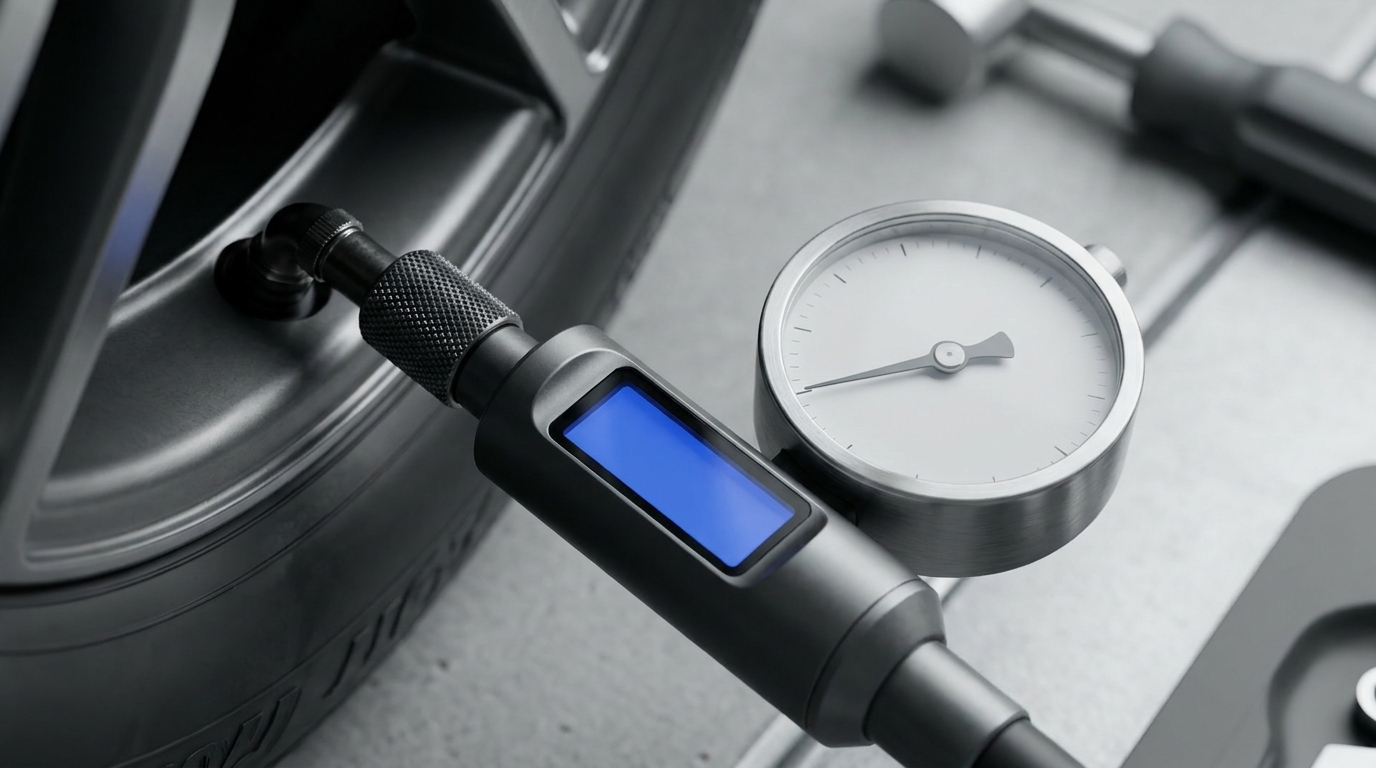
The most reliable way to tell if your tire pressure gauge is accurate is to compare its reading to a calibrated reference on the same tire when it’s cold. A tire shop can check with a professional gauge, or you can use a known calibrated handheld gauge. Avoid relying on gas station pump gauges, which are not always calibrated, and make sure you’re measuring when the tires are cold for a fair comparison (Michelin: How to Properly Inflate Your Car Tires; Michelin: Routine Tire Care Tips).
Do a simple accuracy check
- Park the car and let the tires cool. Checking “cold” means before driving, or after the vehicle has been parked for at least a couple of hours. Heat from driving raises pressure and will distort comparisons (Michelin: How to Properly Inflate Your Car Tires).
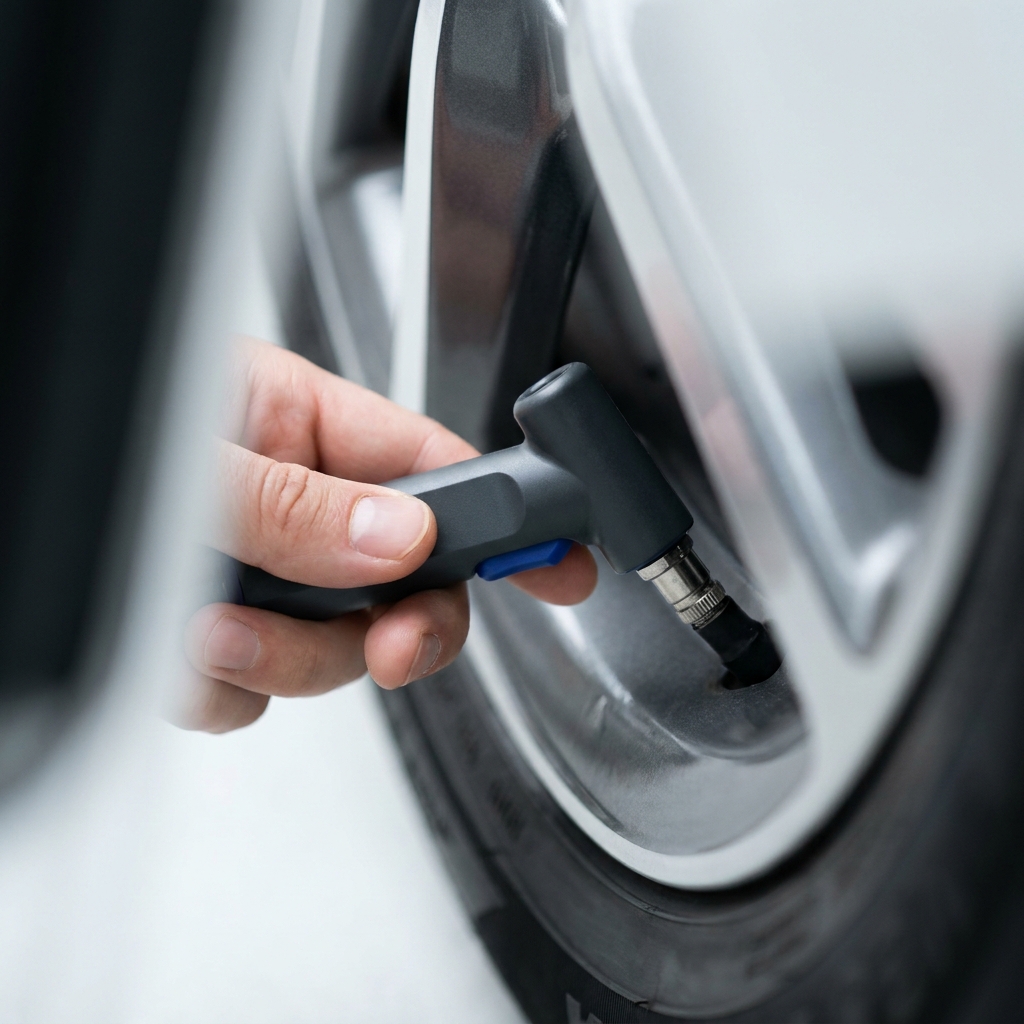
- Measure the same tire with your gauge. Press the gauge firmly on the valve stem. Check for a good seal; air loss during repeated measurements can affect a comparison (Michelin: How to check tire pressure).
- Immediately measure that tire with a calibrated reference. Either ask a tire professional to check it with a shop-calibrated gauge or use your own quality calibrated handheld gauge. Gas station pump gauges are often not reliable (Michelin: How to Properly Inflate Your Car Tires; Michelin: Routine Tire Care Tips).
- Repeat on at least one more tire. Consistent agreement across more than one tire strengthens your conclusion.
If your gauge’s readings closely track the calibrated reference, it’s likely accurate. If they differ meaningfully and consistently, trust the calibrated reference and replace your gauge or have it checked by a professional (Michelin: Routine Tire Care Tips).
What can make your comparison unfair?
- Warm vs cold tires: Driving warms the tires and raises pressure. For accuracy checks, compare only on cold tires. For a final pressure setting, follow the vehicle maker’s cold-check procedure rather than applying one warm-pressure correction to every situation (Michelin: How to Properly Inflate Your Car Tires).
- Unreliable pump gauges: Built-in gauges on gas station inflators are not always calibrated. Use your own quality gauge and treat the station as an air source only (Michelin: How to Properly Inflate Your Car Tires).
- Valve or cap issues: A damaged valve or missing cap can cause leaks that change pressure between measurements. Michelin emphasizes valve condition and caps for sealing; have a pro replace defective valves (Michelin: How to Properly Inflate Your Car Tires; Michelin: Routine Tire Care Tips).
What about TPMS?
Use a handheld gauge to manage exact pressures. Don’t treat TPMS as a calibration tool; Michelin notes you shouldn’t wait for the TPMS light because by the time it activates, pressure has already dropped significantly (Michelin: Tire Pressure Guide). A gauge check remains the standard for precision (Michelin: How to check tire pressure).
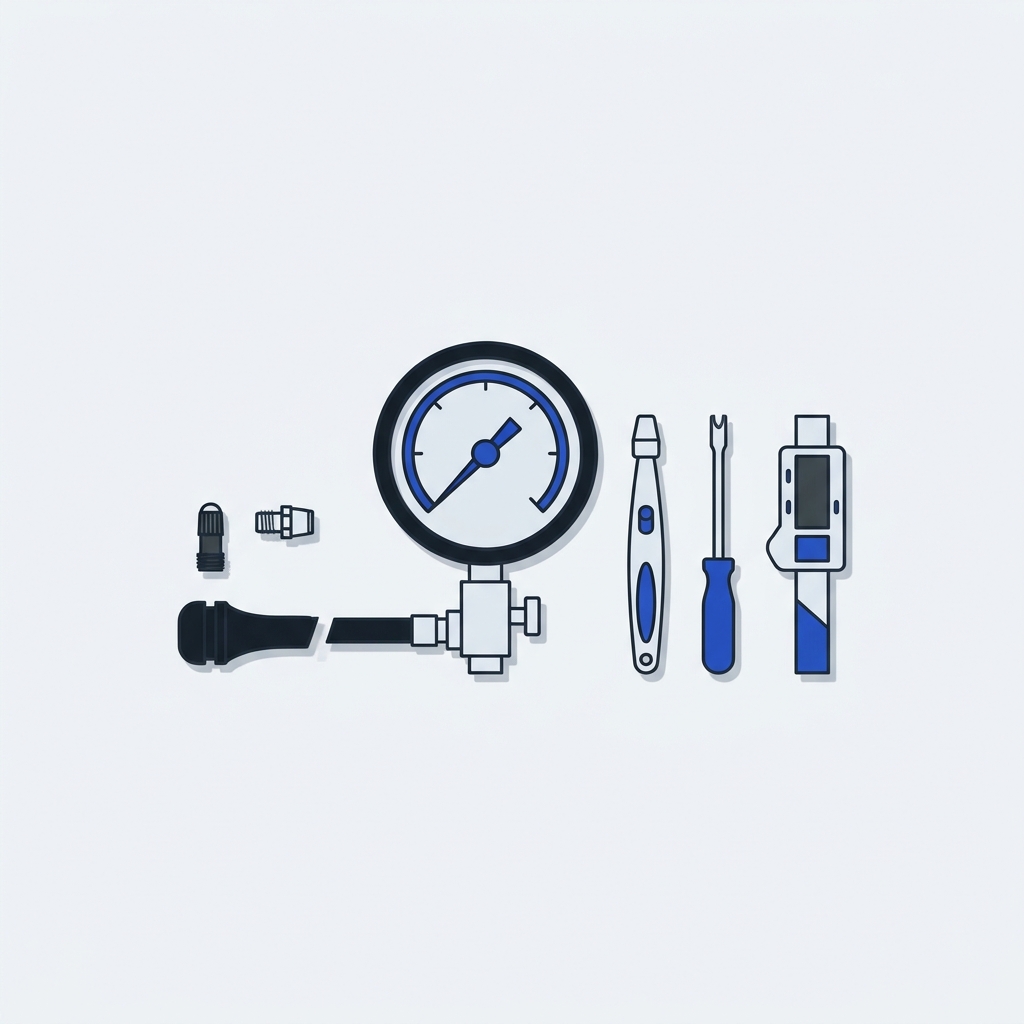
Agreement is meaningful only if the reference is suitable, the units match and the pressure has not changed between readings. A shop comparison is a practical check, not a calibration certificate for your gauge across its entire range.
Good habits that keep your readings trustworthy
- Check pressures at least monthly and before long trips, using your own reliable gauge (Michelin: How to check tire pressure).
- Measure against the vehicle’s door-jamb placard pressure, not the sidewall max (Michelin: How to Properly Inflate Your Car Tires).
- Consider a portable inflator for convenient top-ups, and verify final pressure with your own gauge (Michelin: How to Properly Inflate Your Car Tires).
Put this into practice
Keep comparison conditions consistent and record repeat readings against a suitable reference. If two consumer gauges disagree, do not average them and assume the result is the true pressure.
Quick steps to verify your gauge
Related reading on Driven & Kept
Short FAQ
Are gas-station air pump gauges accurate? Not reliably. Michelin cautions that these gauges are not always calibrated; use your own calibrated gauge and recheck after inflating (Michelin: How to Properly Inflate Your Car Tires).
Can I compare gauges when the tires are warm? You can check warm if needed, but don’t set final pressure from a warm reading. Use the specific vehicle maker’s warm-check instructions when needed, then recheck cold; a generic offset is not a calibration method (Michelin: How to Properly Inflate Your Car Tires).
How often should I verify pressures? At least monthly and before long trips. Regular checks catch normal pressure loss and temperature-related changes early (Michelin: How to check tire pressure).

Optional equipment for this guide
If a gauge needs replacing, choose a suitable model after checking it against an appropriate reference. Buying two consumer gauges does not establish which one is accurate.
As an Amazon Associate I earn from qualifying purchases. These are researched options, not hands-on test results. Check the exact size or model, current price and availability on Amazon.
| Product option | Fit and limits to check | Retailer |
|---|---|---|
| Product imageJACO ElitePro digital tyre-pressure gauge, 100 PSI | A digital-readout option to compare with a dial gauge. Check range, units, battery and valve access; displayed precision is not proof of measurement accuracy. | View on Amazon |