
The journal
What is the E‑load rating on tires?
Load Range E is a historical 10-ply rating, not ten physical plies or a universal capacity. Check load index, approved fitment and actual inflation guidance.
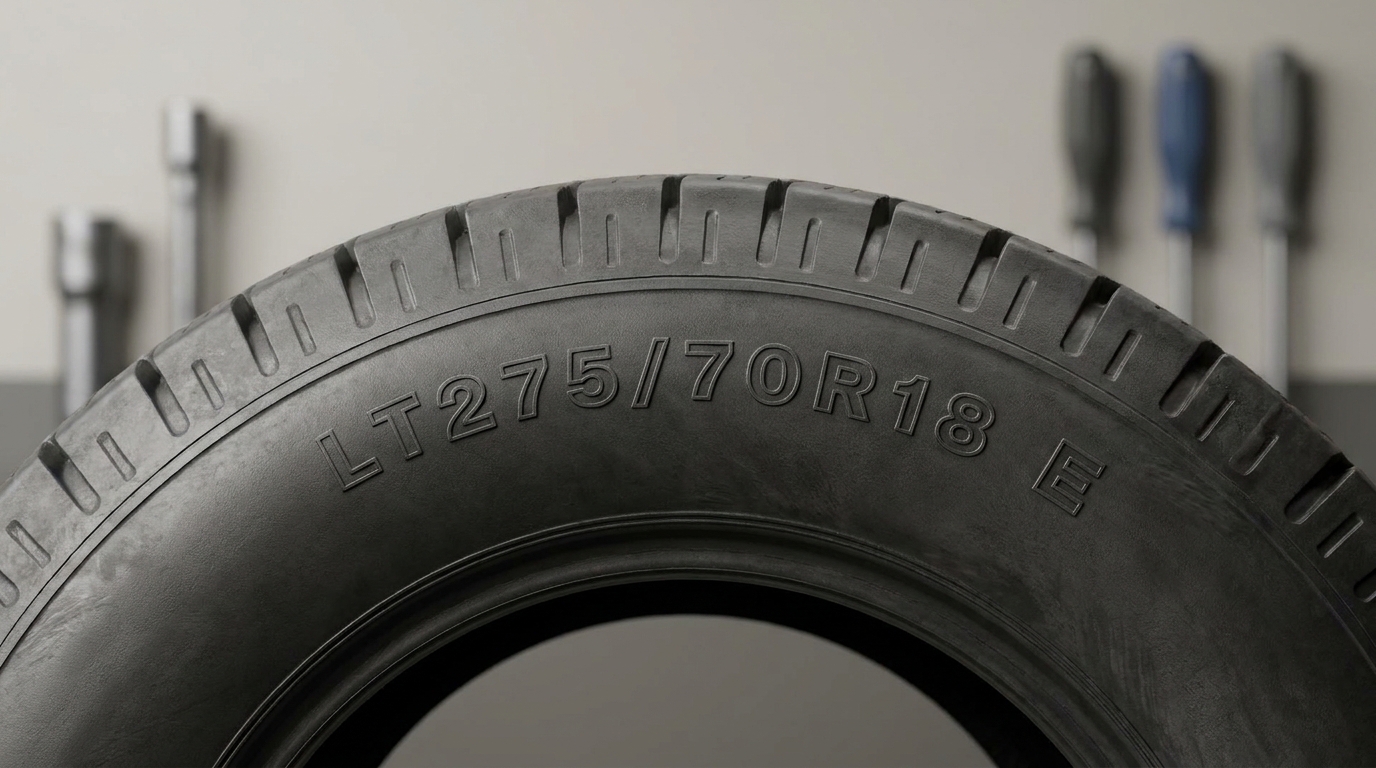
“E-load” normally means Load Range E on a light-truck tire. It corresponds to the historical 10-ply rating, but does not mean the tire physically contains ten plies. Nor does E by itself give a single weight capacity or the pressure you should use on every vehicle.
Separate load range, load index and actual construction
General Tire’s technical support explanation explicitly distinguishes an E tire’s 10-ply rating from its physical construction. The load-range letter is a category; the separate load index and the manufacturer’s load/inflation data identify capacity under the specified conditions.
A tire can therefore show an E load range and a physical ply description with a different number of layers. Those markings are not necessarily contradictory. Do not decide that a tire is counterfeit or unsuitable merely because a construction statement does not literally say ten plies.

Read the service description as well
The numeric load index is separate from the speed symbol. Michelin’s load-and-speed-rating guide explains that distinction. On tires carrying two load indexes, the first and second relate to single and dual applications; they are not interchangeable choices to select whichever value is larger.
Compare the actual tire size, category, load range, service description and approved application. Two different sizes can both be Load Range E while having different capacities. The E letter is not a shortcut to a universal pounds-per-tire figure.
Do not inflate to a guessed E-rated pressure
For the approved original fitment, follow the vehicle’s specified cold pressures and loading instructions. The sidewall’s maximum is not automatically the vehicle’s operating target. A load rating applies under defined conditions, so reducing or increasing pressure arbitrarily does not establish the needed capacity.
If changing tire category, size or fitment—for example from a passenger tire to an LT tire—have the vehicle/tire maker or a qualified tire professional confirm compatibility and the appropriate load/inflation information. Do not simply reuse the former pressure or inflate every E-rated replacement to a commonly quoted number.
A practical shopping comparison
Suppose two listings both say Load Range E. Before treating them as equivalents, check whether the full size and category match, whether the service description meets the required application, and whether the tires are approved for the wheels and vehicle. Ask for the correct inflation guidance for that confirmed setup.
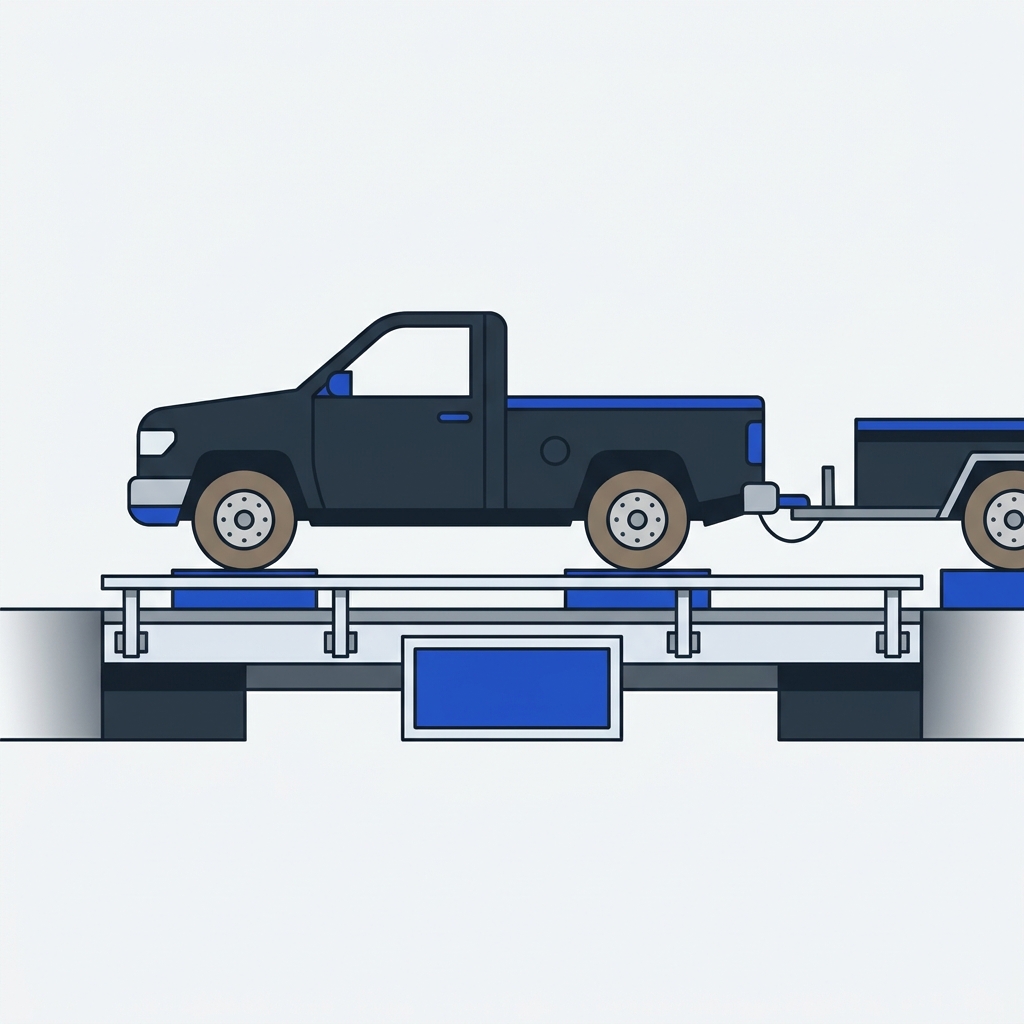
This comparison is more useful than buying the highest letter on the shelf. A higher-rated tire does not increase the vehicle’s permitted payload, axle ratings, wheel limits or towing capacity. The vehicle’s other limits still apply even if the tire has greater rated capability.
Where to find the required specification
Start with the vehicle placard, manual and original approved tire specification. Not every placard displays every service-description field, so use the maker’s fitment information where needed. Include the actual load and use case in a professional fitment inquiry.
Record the complete proposed replacement specification, not only “E-rated.” That allows the supplier to confirm the relevant limits and avoids confusing a historical ply rating with physical layers or usable vehicle payload.
Compare an E-rated replacement properly
