
The journal
What does a bad shock tire wear pattern mean?
Cupping may involve shocks or struts, but tire wear alone cannot identify the cause. Check tire safety, pressure, balance and the vehicle before choosing repairs.
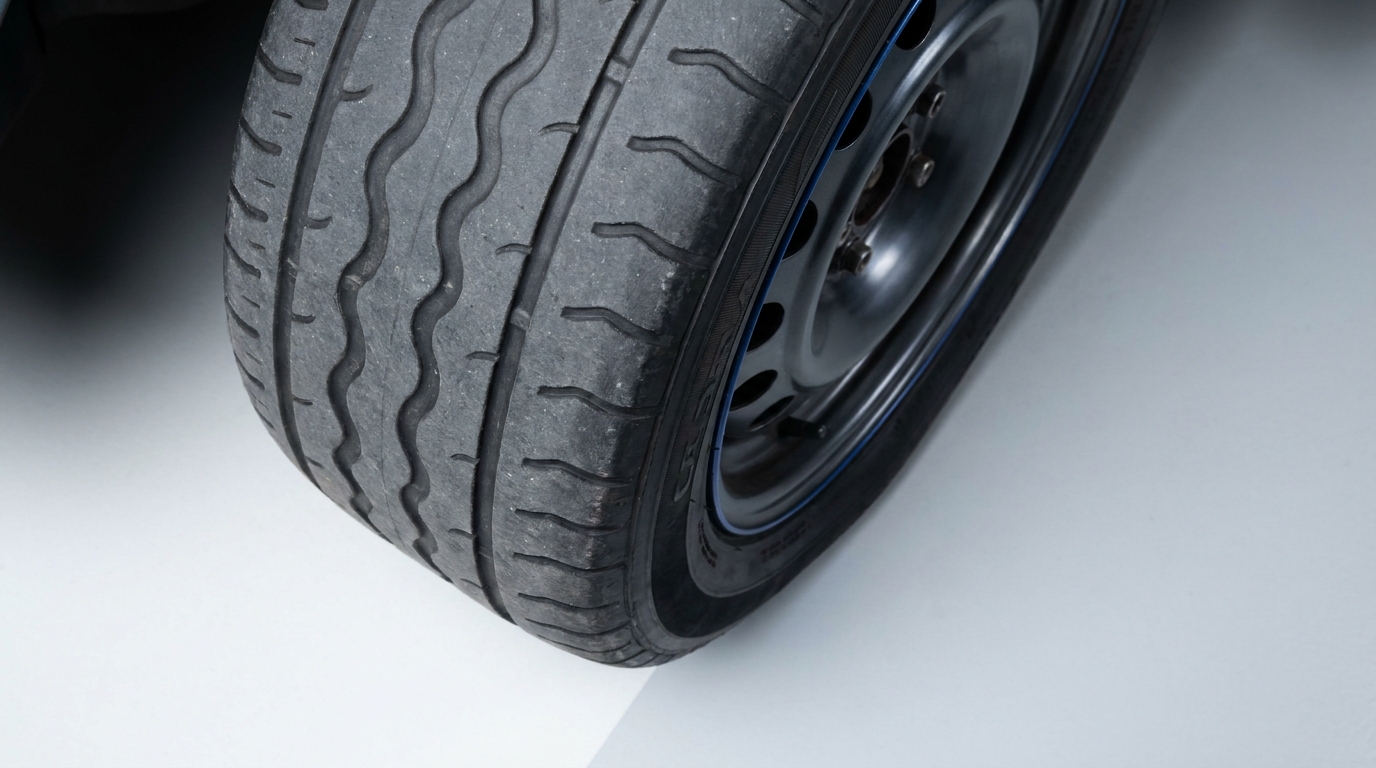
A tire wear pattern associated with poor damping is often called cupping or scalloping: local low patches form around the tread instead of an even wear surface. Worn shocks or struts can contribute, but the pattern alone does not diagnose them. Tire pressure, wheel balance, alignment and other worn components need checking too.
Recognize the pattern without guessing the failed part
Yokohama’s inspection guide describes cupping as irregular worn patches that may be accompanied by noise or vibration. It lists several possible contributors, including pressure, rotation, wheel/tire balance and worn suspension parts. That is why replacing shocks solely from an online photograph can miss the cause.
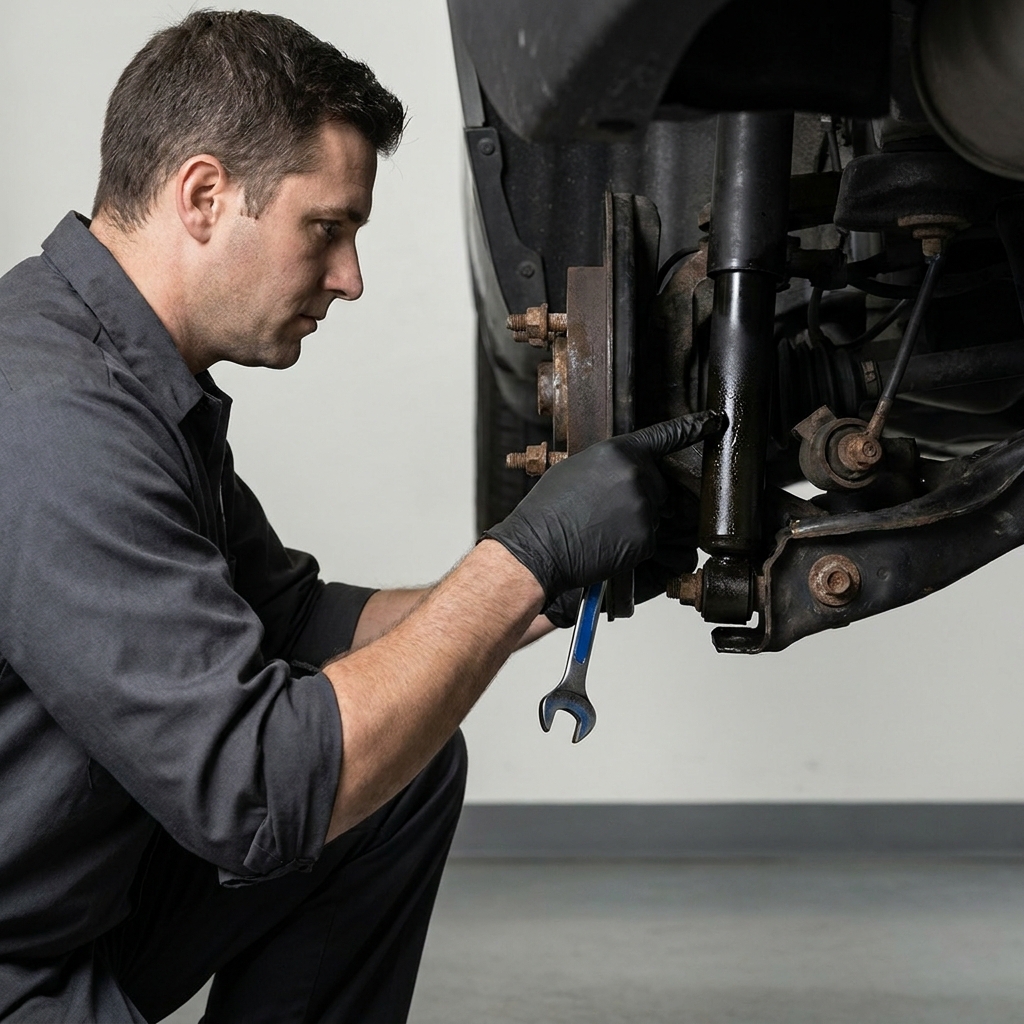
Begin with a visual inspection while safely parked. Look for alternating worn areas, obvious damage and the condition of the whole tire. Do not run a bare hand over damaged tread or exposed cords, and do not crawl beneath an unsupported vehicle to look at the suspension.
Separate tread wear from immediate warning signs
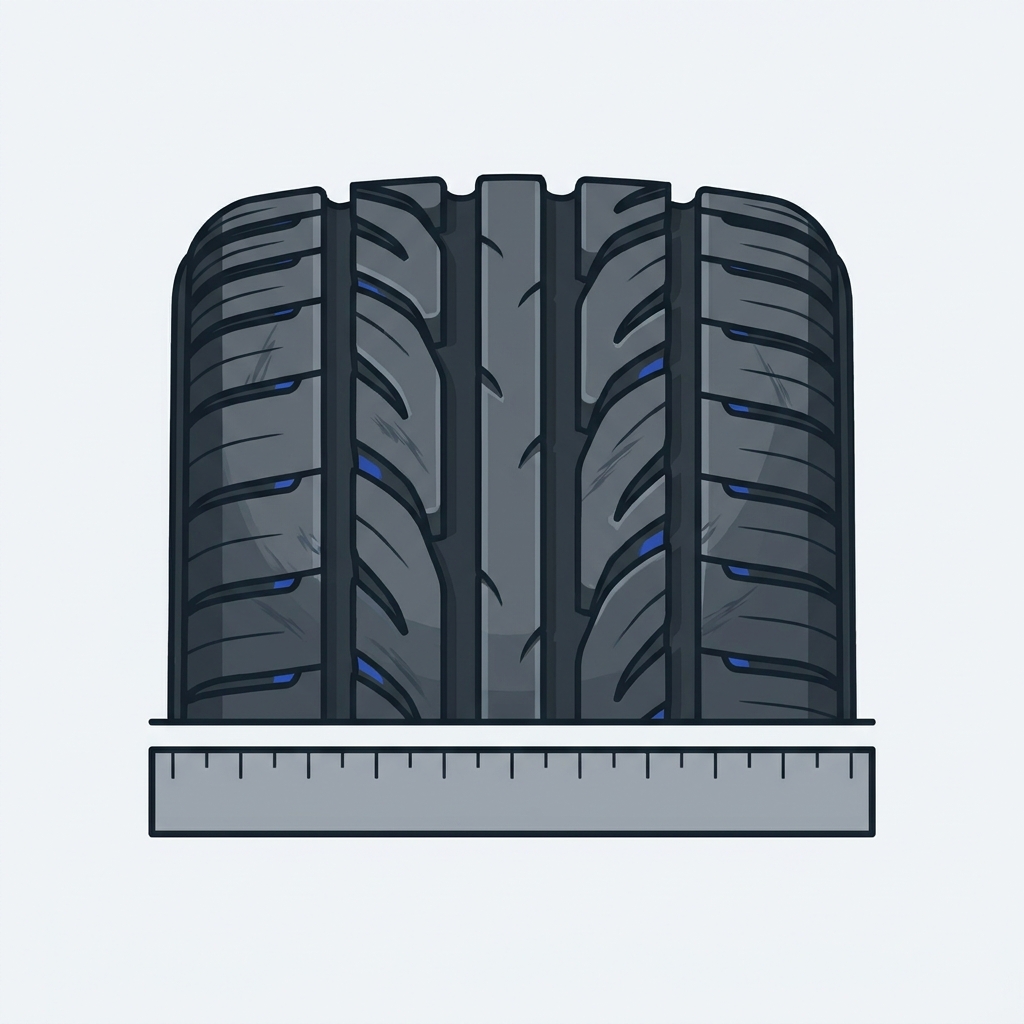
Wear indicators help identify tread that has reached the tire’s molded reference level. They do not certify a tire as safe until the surrounding tread becomes flush with them. Uneven low patches, damage, age, local requirements and the maker’s guidance all matter.
NHTSA’s tire-safety guidance highlights bulges, serious pressure loss and sudden ride disturbance or vibration as reasons for professional inspection. With severe vibration, a bulge, exposed cords, visible damage or uncertainty about tire safety, seek appropriate inspection or roadside assistance before continuing. There is no blanket assurance that driving gently makes an unassessed damaged tire safe.
Ask for the tire and vehicle to be checked together
- Assess tread depth across the tire, irregular wear, damage and whether the tire remains serviceable.
- Check cold inflation against the correct approved vehicle/tire setup.
- Check wheel/tire balance, alignment and relevant bearings or suspension components as appropriate.
- Inspect shocks or struts and their mountings rather than assuming they are the only possible fault.
- Plan any tire replacement and the underlying repair together so the next tire is not exposed to the same problem.
The exact inspection and repair belong with an appropriate tire or vehicle professional. A rotation pattern must suit the vehicle, tire directionality and sizes; moving a badly worn tire elsewhere is not a substitute for deciding whether it is safe to use.
What a successful repair does and does not change
If faulty damping is confirmed, repairing it can address that contributor to future wear. It does not put rubber back into already cupped areas. The existing tire may remain noisy, worn or unsuitable and needs its own service decision.
For example, a driver might notice an uneven drone and visible low tread patches. Those observations justify an inspection; they do not prove a particular shock has failed or justify a high-speed road test to reproduce the noise. Tell the repairer when the symptom occurred during ordinary use and let them choose a safe diagnostic procedure.
After repair, follow the prescribed pressure, rotation and inspection plan. Comparing wear over time is more useful than assuming one new part has permanently solved every source of uneven tire wear.
Respond to suspected cupping
